
Illinois Interior Home Painting Guide: Wall Prep for Temperature Swings
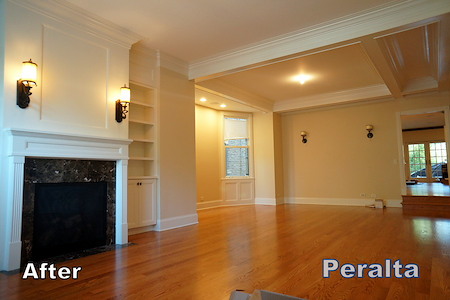
Homes across Illinois see sticky summers and dry winters. That swing is tough on drywall, plaster, and paint films. This guide explains how professional prep, the right primer, and flexible, low-VOC coatings help your rooms look great longer. For deeper detail on service options, see our interior painting service page.
Interior Painting Illinois: Why Wall Prep Matters
When July humidity spikes and January air turns crisp and dry, building materials expand and contract. Drywall joints can show hairline cracks, corners open slightly, and old tape may telegraph through fresh paint. Without the right prep, new color can highlight every flaw after the first seasonal change.
Professional prep in Illinois focuses on stabilizing the surface before color ever hits a wall. That means addressing movement-prone seams, isolating stains that can bleed, and building a sound base so the finish coat flexes without cracking. Done right, your walls can handle the see-saw conditions typical of the Midwest.
Drywall And Plaster Assessment Before Interior Painting
Every home tells a story. In Chicago condos, you might find tight drywall with a few nail pops. In older houses from Rockford to Springfield, there can be plaster cracks near windows or along stair walls. A thorough assessment identifies the issues that cause early paint failure.
Pros look for patterns. Hairline cracks near door frames often come from normal settling. Shadow lines on exterior walls can signal previous moisture. Glossy patches from old touch-ups can reduce adhesion. By mapping these details, your painting contractor can choose materials that lock down the weak points.
- Nail pops and fastener movement are common where framing shifts from temperature changes.
- Tape seams can lift along ceilings after repeated humidity swings if not properly reinforced.
- Window and bath areas need extra attention due to condensation and higher use.
Good prep plans include cleaning surfaces, de-glossing slick paint, reinforcing moving cracks, and smoothing transitions so the finished walls appear even in morning and evening light. This is not about hiding problems. It is about rebuilding a stable, uniform surface that holds color through the seasons.
Priming Techniques That Handle Temperature Swings
Primer is the bridge between your wall and the topcoat. The right type keeps stains down, evens porosity, and improves adhesion so paint stays tight through hot, humid August days and dry, heated January nights.
Here are common primer roles that matter in Illinois homes:
- Adhesion primers grip glossy or previously touched-up areas so new paint does not peel when the wall flexes.
- Stain-blocking primers seal in water marks, nicotine, and wood tannins that could bleed after a humid stretch.
- Moisture-tolerant primers are helpful in bathrooms, laundry rooms, and basements with periodic humidity spikes.
- High-build primers help smooth minor texture variations so light does not reveal seams during winter’s low sun angles.
Pros often adjust the primer selection room by room. A living room may receive a high-build primer to even roller marks, while a bath gets a moisture-resistant formula. On brand-new drywall, a quality drywall primer seals paper and joint compound evenly so the finish coat looks uniform from corner to corner.
Choosing Low-VOC Paints Built For The Midwest
Low-VOC interior paints have improved a lot. Modern formulas reduce odor during the job and help with healthier indoor air. More important for Illinois homes, premium low-VOC coatings use resins that stay flexible. That flexibility helps the film move with seasonal expansion and contraction instead of splitting at seams.
Finish level matters too. Matte and eggshell finishes hide small surface fluctuations better than high-sheen paints, which can spotlight every joint. In high-touch areas like hallways and kids’ rooms, many homeowners choose washable matte or eggshell for a balanced look and easy cleaning.
Temperature and humidity during application affect curing. In July, paint can take longer to cure fully because of high moisture in the air. In January, very dry indoor air can speed surface dry but slow full cure inside the film. Your contractor will plan a schedule that respects these conditions so the coating forms correctly.
Local insight: Midwestern winters can drop indoor humidity under 30 percent. That rapid drying can stress new coatings if rooms are overheated. A steady indoor climate helps paint cure evenly and prevents early hairline cracks at seams.
Addressing Common Wall Problems Before Color
Illinois homes face a handful of repeat offenders. Nail pops usually show up on ceilings or above door frames after a heating cycle. Ceiling-to-wall joints may open slightly in winter, then press tight again in summer. Stains from past roof or window leaks can reappear when the air turns damp, even under new paint.
Professional crews reinforce these areas so they do not come back through. That can include resetting or replacing fasteners, re-taping suspect seams, and spot-priming with a strong stain blocker. The goal is a stable, continuous surface that resists telegraphing when your HVAC system shifts from cooling to heating and back again.
Room-Specific Strategies For Illinois Interiors
Not every room behaves the same. Kitchens and baths live with daily steam and frequent wipe-downs. Bedrooms and living rooms face light scuffs and sunlight. Basements can be cooler with intermittent humidity. Strategy changes based on the space.
In moisture-prone rooms, a moisture-tolerant primer and a washable finish help resist marks and micro-cracking. In sunlit rooms, using a quality, fade-resistant topcoat keeps tone more consistent across seasons. In basements, attention to efflorescence stains and foundation hairlines helps coatings stand up to spring thaws.
Timelines For Residential Interior Painting In Illinois
Homeowners often ask how long a project will take. Timelines vary by room count, repair scope, furniture access, and whether the home is occupied during the work. Seasonal humidity can also extend primer and paint dry times. Your contractor will adapt the schedule to current conditions so materials cure properly.
- Single rooms with light repairs often complete within several working days, including proper curing between coats.
- Whole-home refreshes usually run in phases to limit disruption, with trim and walls scheduled so areas stay usable.
- Winter and summer extremes may add cure time between coats to protect long-term durability.
Ask about sequencing. Pros can group rooms by similar conditions, such as tackling bathrooms during lower-traffic hours and living spaces when ventilation is easy. A thoughtful plan keeps the project moving while still prioritizing coating performance.
How To Maximize Coating Longevity After The Job
Paint longevity depends on the environment. The coating needs time to cure and then a stable climate to stay flexible. Small habits make a big difference over the first 30 days and throughout the first year.
Keep indoor humidity between 35 and 50 percent to minimize expansion at seams and corners. Run bath and kitchen exhaust fans long enough to clear moisture. Use gentle cleaners on smudges and follow the manufacturer’s guidance for washability. Harsh scrub pads can burnish flat finishes and shorten the life of the film.
Allow full cure time before cleaning or moving furniture tight to walls. Fresh paint is more vulnerable to scuffs and compression marks. Give baseboards and door casings extra space during the first week so the finish hardens evenly.
In winter, avoid sudden thermostat swings. Large temperature jumps can shock the coating and the substrate underneath. Gradual adjustments help the film flex without stress. In summer, keep air moving and surfaces dry in bathrooms. Good airflow keeps moisture from lingering on corners and ceilings.
Materials That Reduce Cracking And Peeling
Two features help coatings survive Midwest cycles: adhesion and flexibility. Strong adhesion keeps paint united with the primer and the wall. Flexibility lets the film move without forming micro-cracks that turn into peeling months later. Premium low-VOC products are designed with both in mind, which is why many professional interior painters in IL recommend them for residential spaces.
Ceilings, especially in older homes, benefit from products that hide minor texture and reduce light bounce that can reveal seams. Trim often receives a tougher enamel that resists dings from daily life. Your contractor will balance durability and appearance across surfaces so the whole room ages at the same pace.
Surface Cleaning And Ventilation Considerations
Proper cleaning supports adhesion. Dust, aerosols, and cooking residue can cling to walls, especially near kitchens. Your crew will prepare surfaces so primers can bond well. After painting, maintain regular ventilation. Run the bathroom fan after showers and open a window briefly on mild days to refresh indoor air. This simple routine helps coatings keep their color and sheen.
If a room once had moisture issues, ask about spot-priming solutions that block recurring stains. When a stain is sealed at the source, it stays hidden even when summer humidity rises. That extra step avoids the frustration of marks returning under a fresh coat.
Working With A Professional Interior Painting Contractor
Experience matters when you need consistent results through Illinois seasons. A seasoned team understands how fasteners, seams, and corners behave in January versus July. They select primers and topcoats that match each room’s conditions, then schedule coats to cure correctly. That is the difference between a quick color change and a finish that stays smooth through years of temperature swings.
For a broad overview of services and process, you can explore interior painting Illinois resources on our home page. You will find how Peralta Painters approaches wall prep, how we protect flooring and furnishings, and why we favor low-odor, low-VOC products in occupied homes.
What To Expect From A Well-Managed Project
Communication is key. Your estimator should outline surface repairs, primer choices, finish levels, and the plan for changing weather. During the job, the crew should check room conditions, confirm cure times, and verify coverage under both natural and artificial light. This attention to detail avoids surprises and helps the final color read true in every season.
Protection is part of quality. Expect careful masking around cabinets and fixtures, floor protection that stays in place, and daily cleanup so rooms remain safe and comfortable. Many homeowners schedule interior projects in late winter or early spring to be ready for summer gatherings. Others prefer late summer before the heating season starts. Either way, a disciplined process delivers consistent results.
Why Wall Prep And Primer Choice Drive Value
Paint is only as good as what is beneath it. Wall prep and primer selection determine whether your new finish resists hairline cracks, blocks stains, and keeps edges tight. Skipping these steps may not show the first week, but the first serious humidity swing will reveal weak links. Investing in proper prep is the surest way to extend the life of your coating and protect the look of your rooms.